


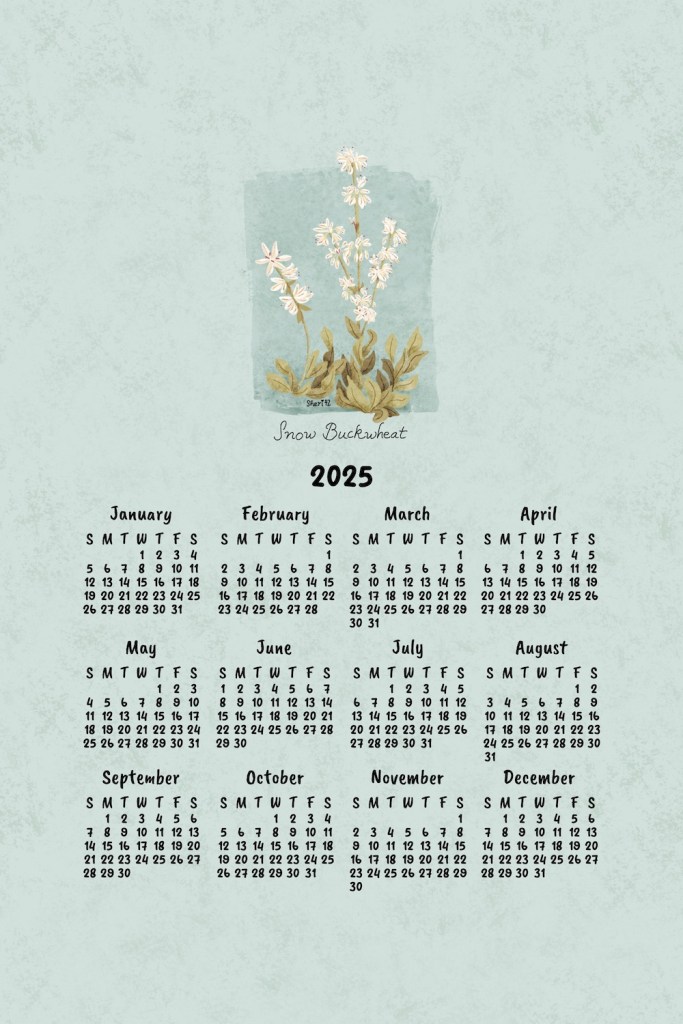
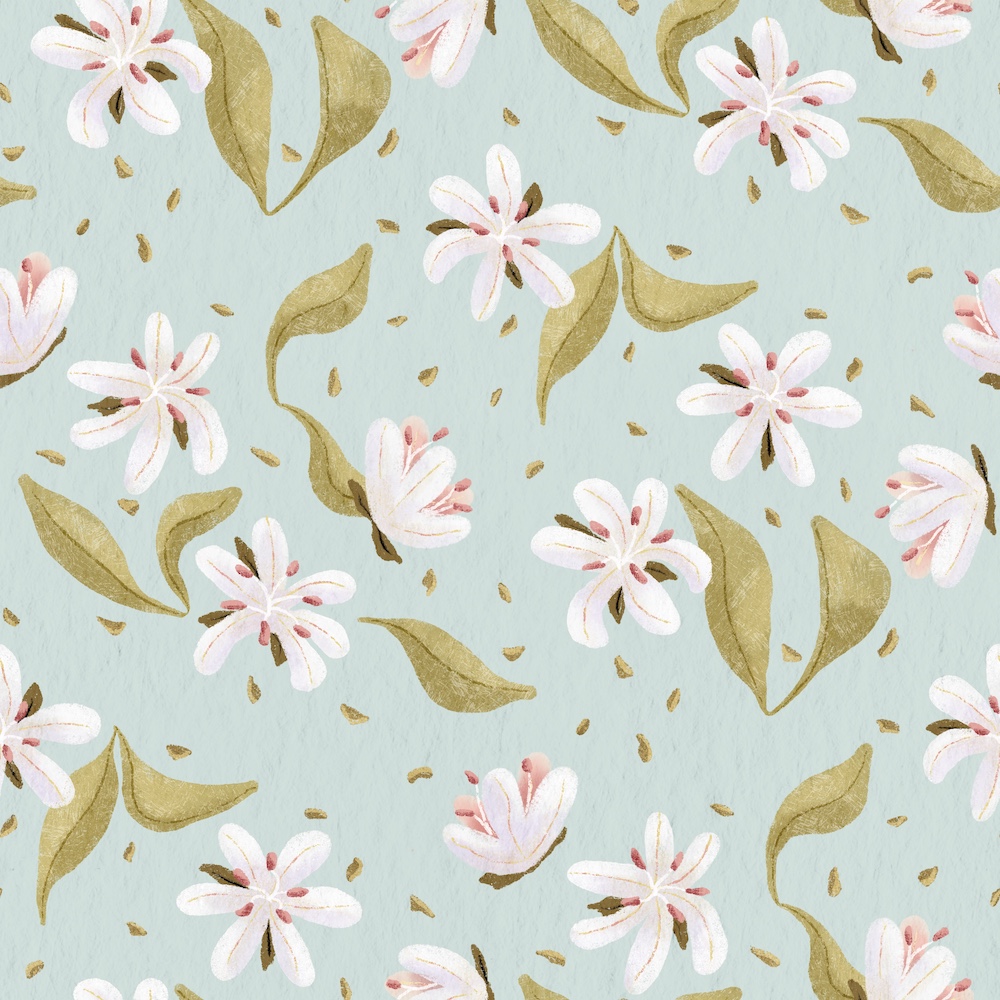
The Design
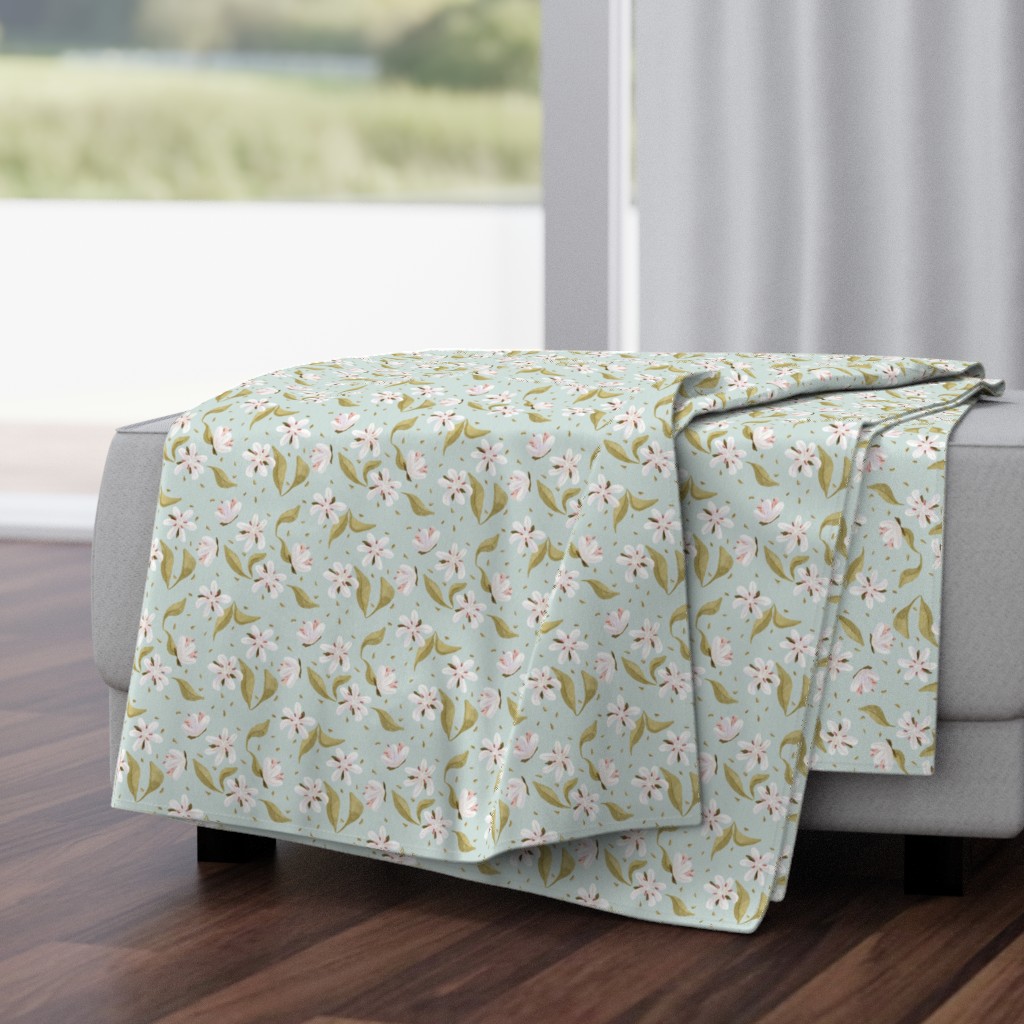
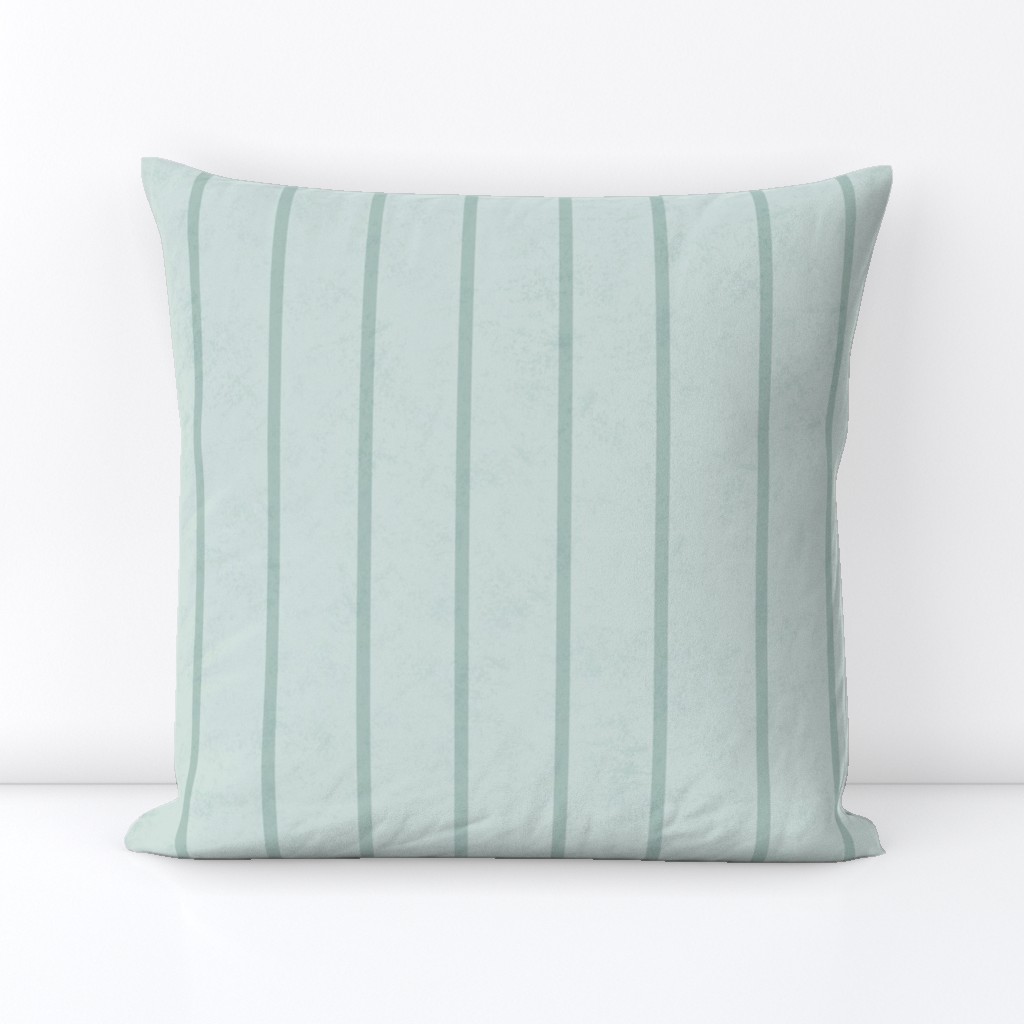
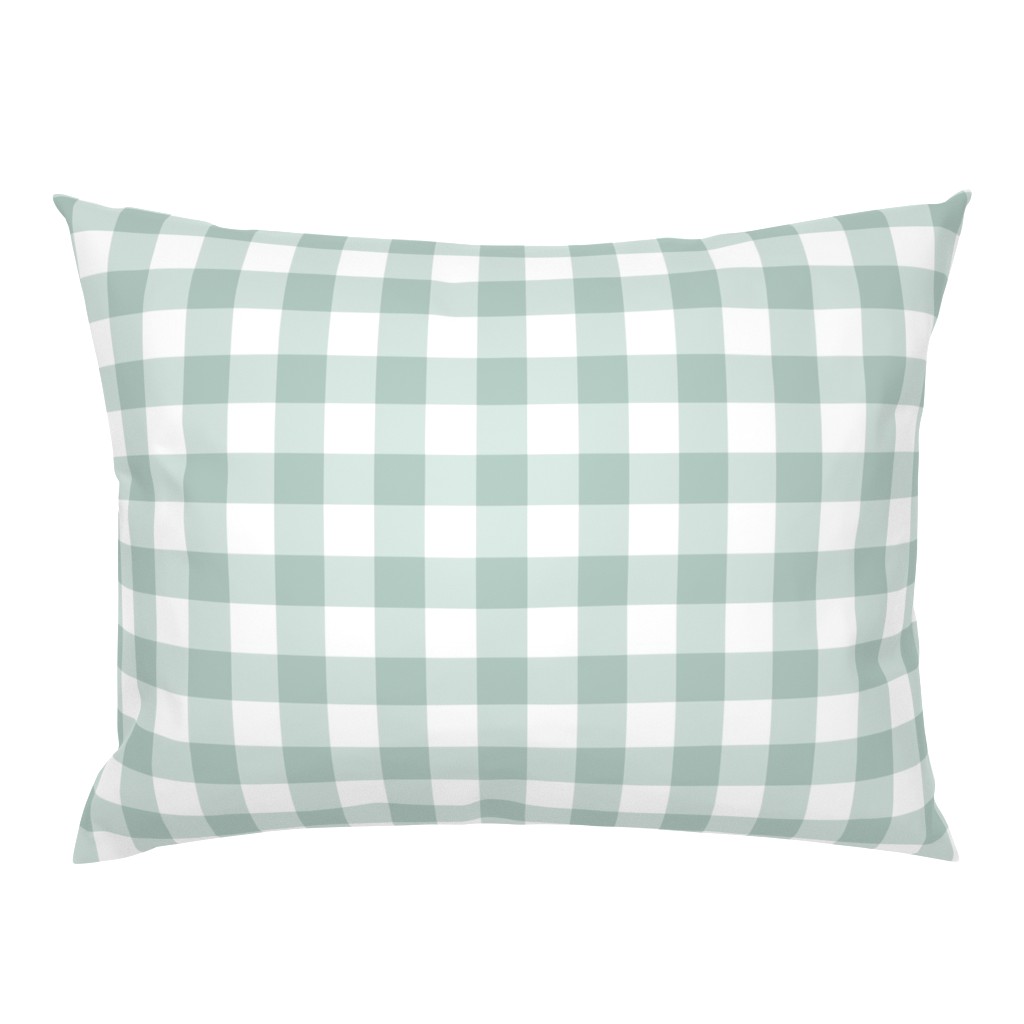
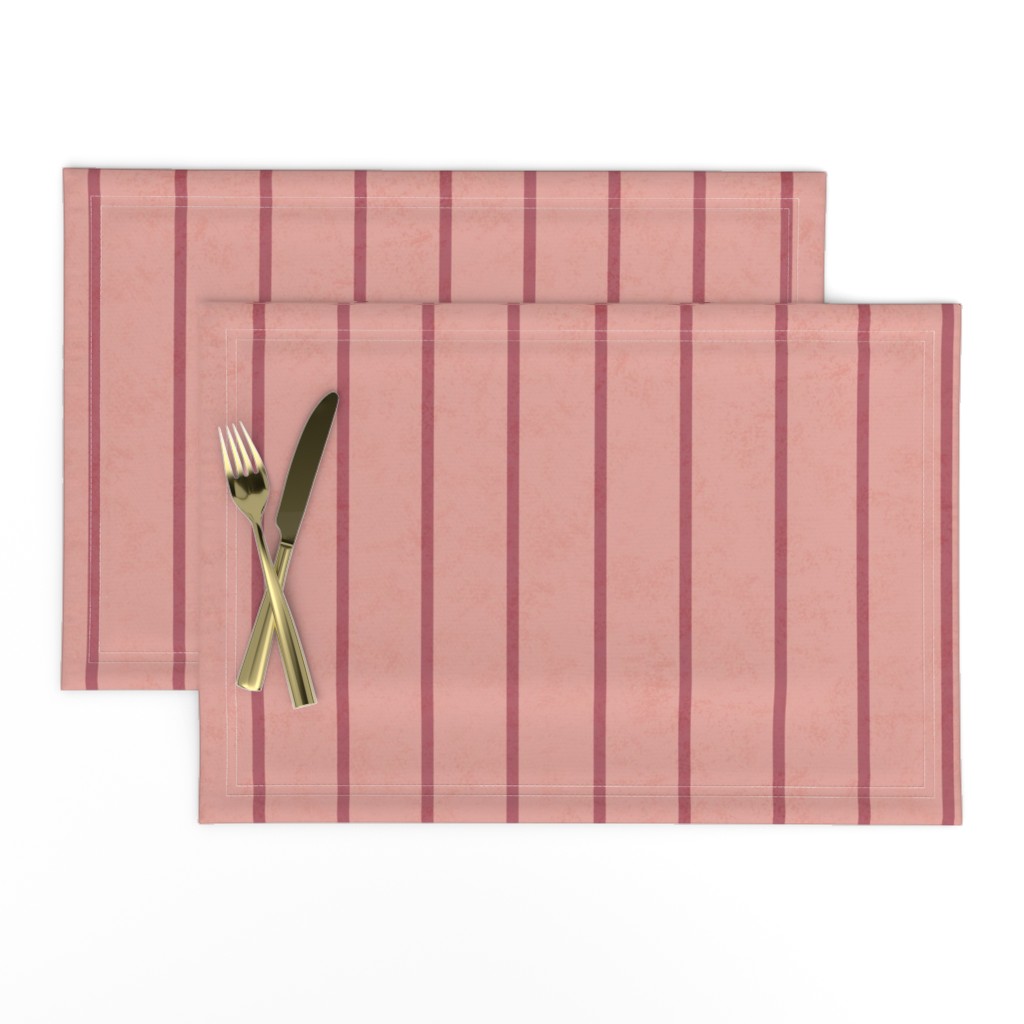
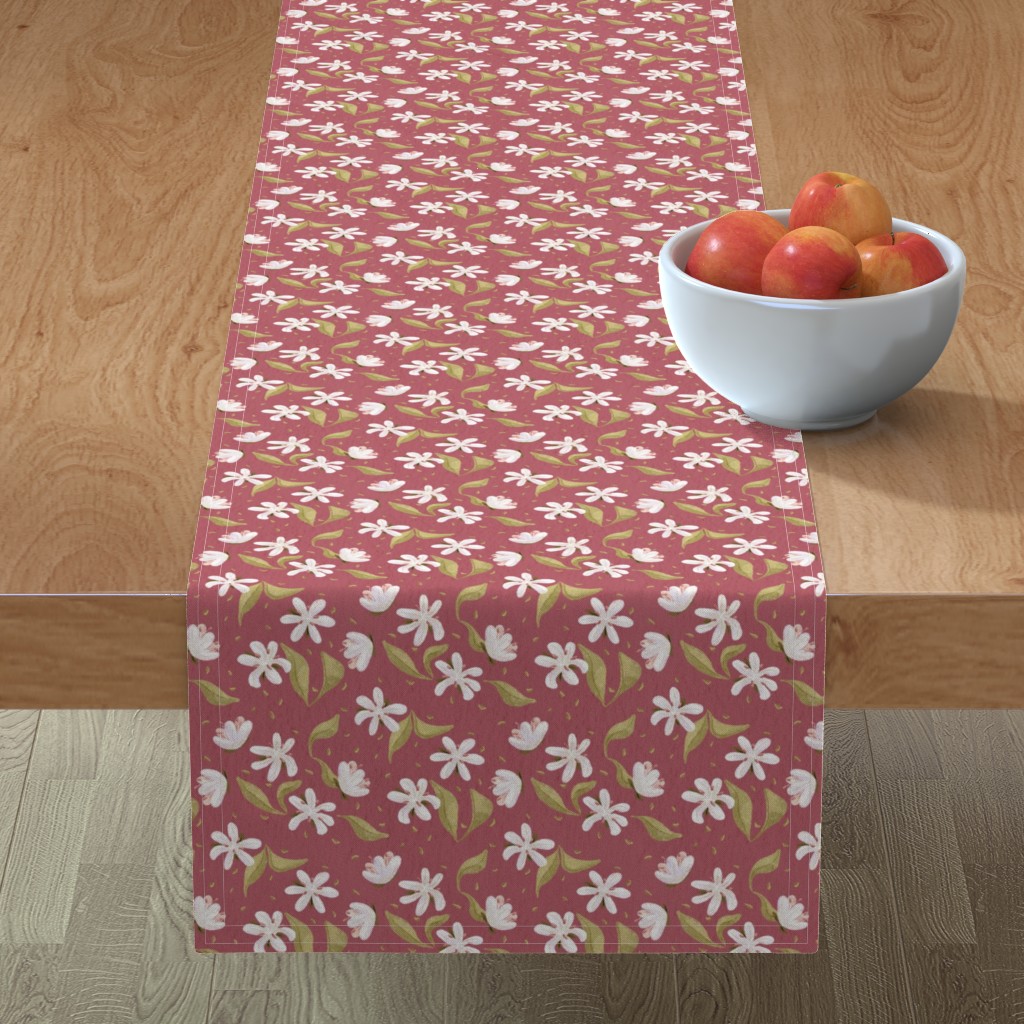
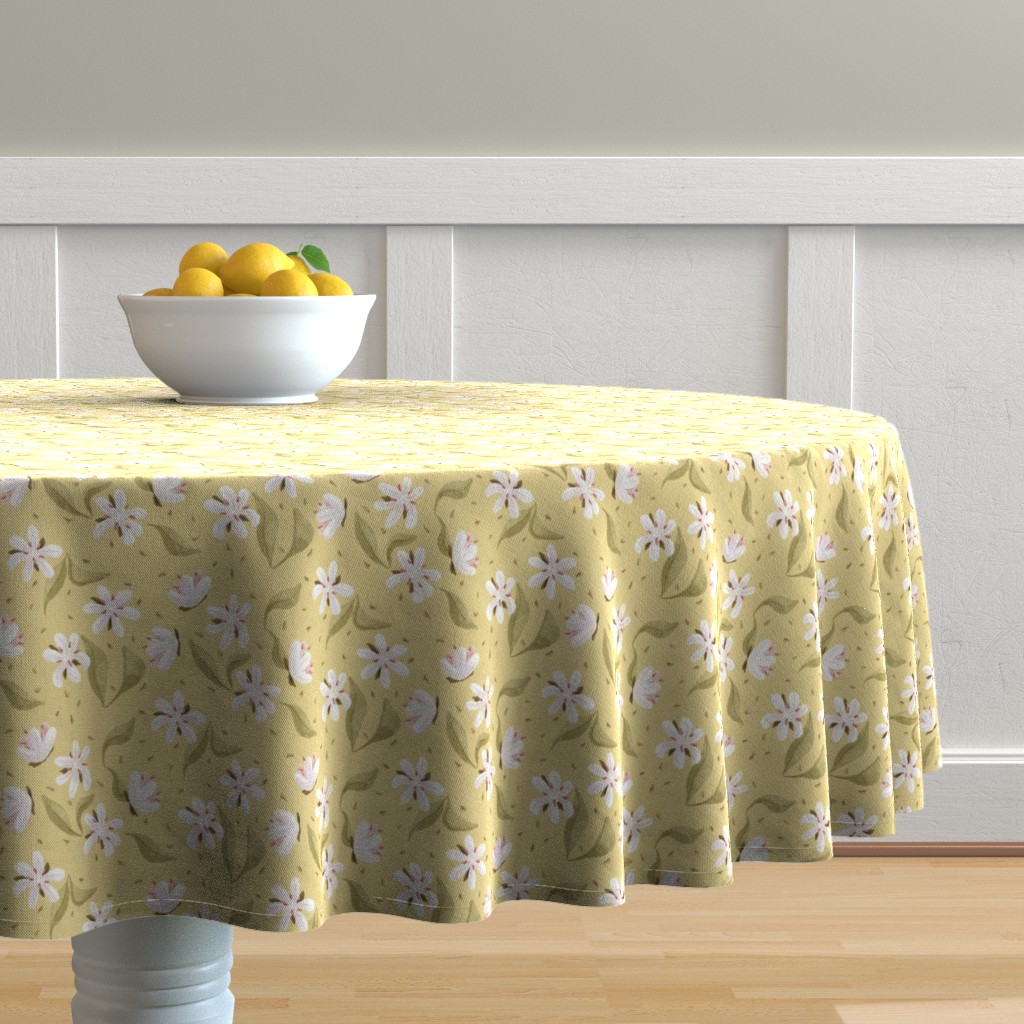
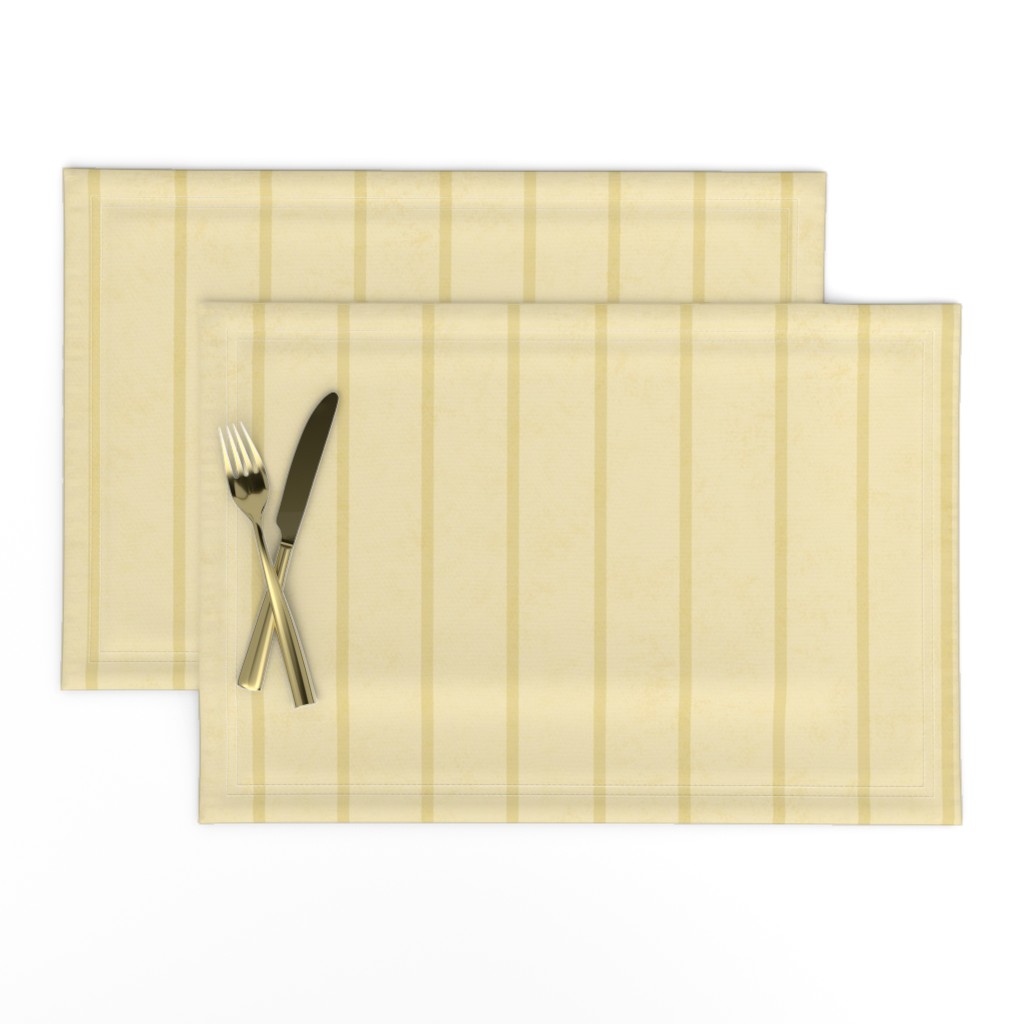
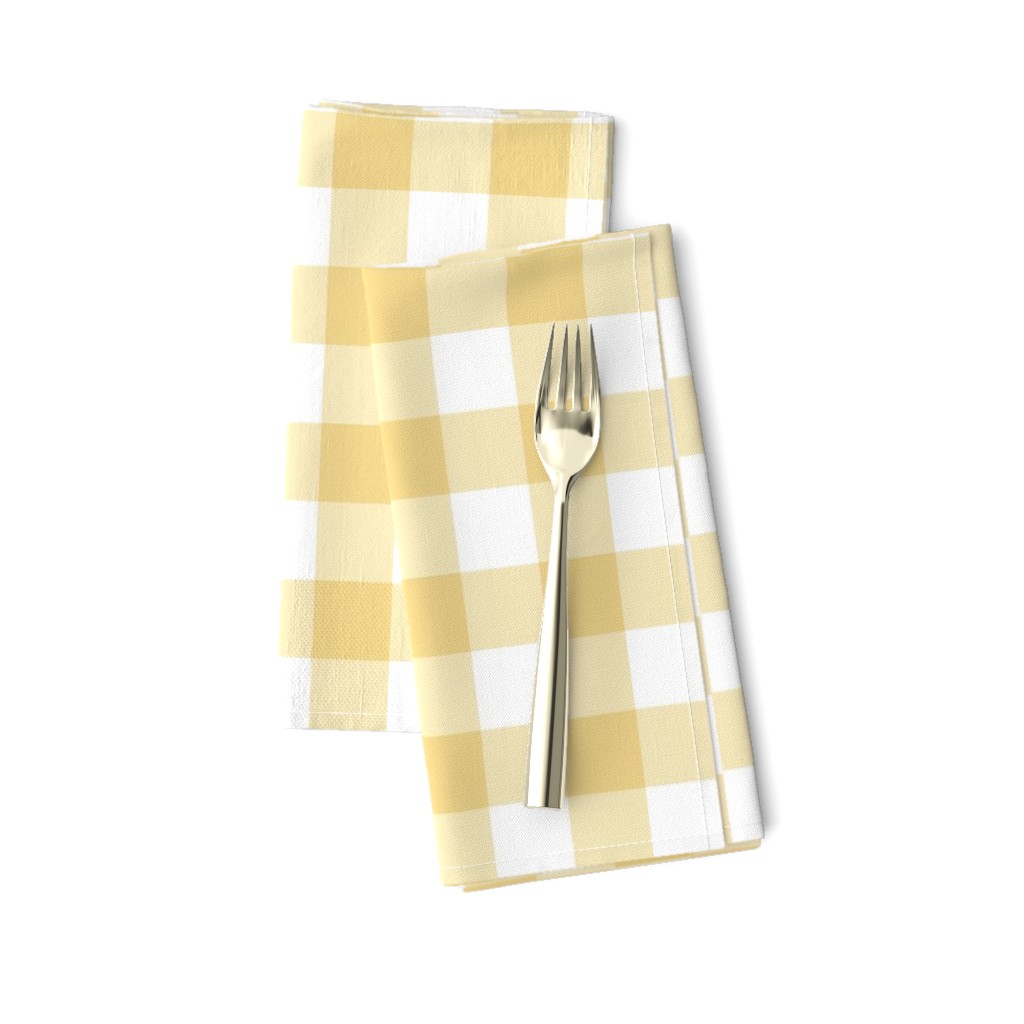
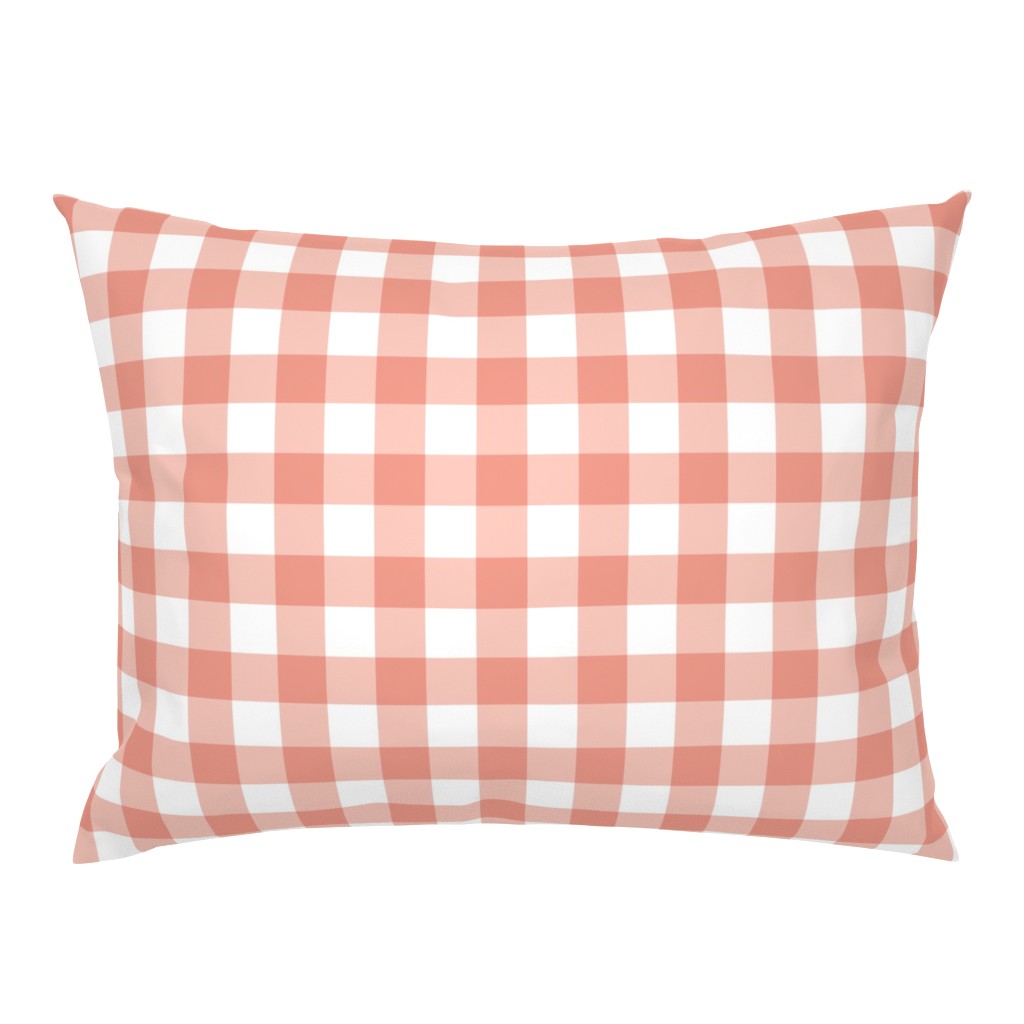
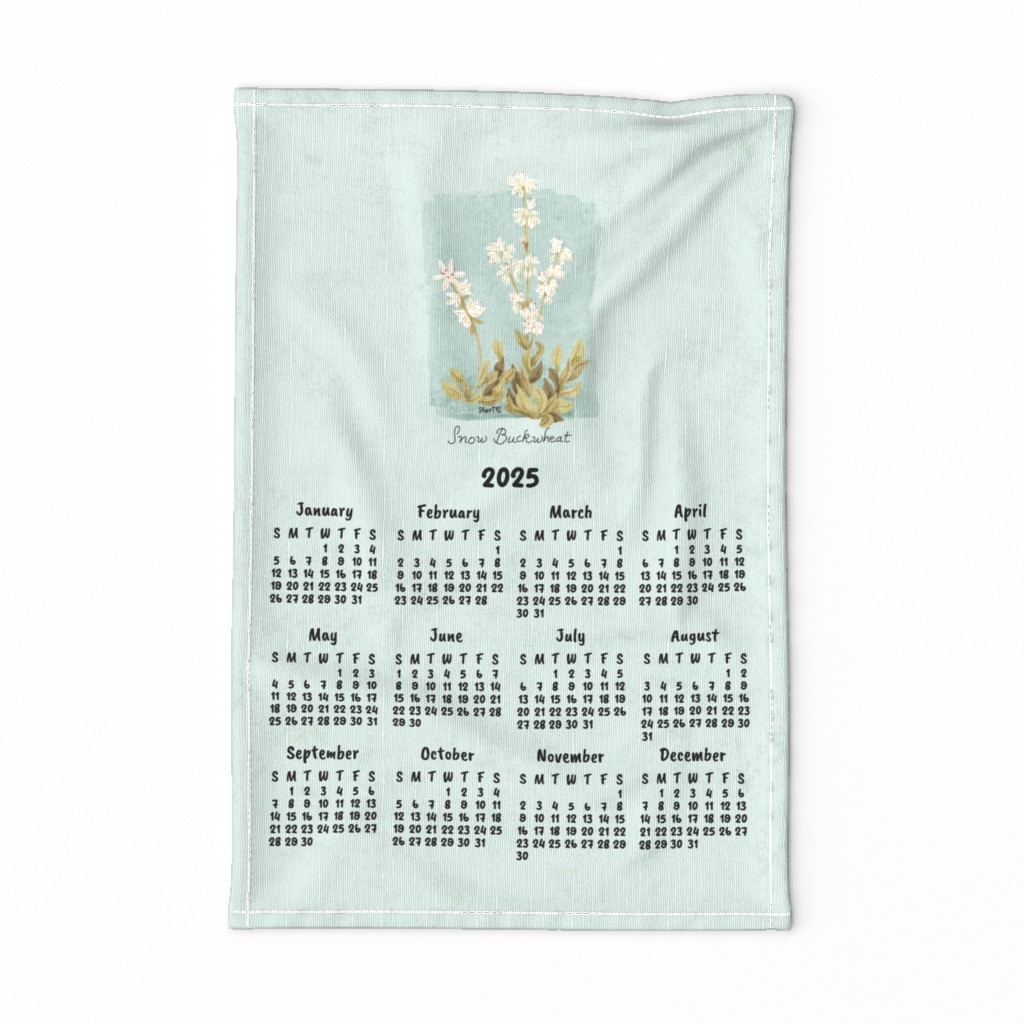
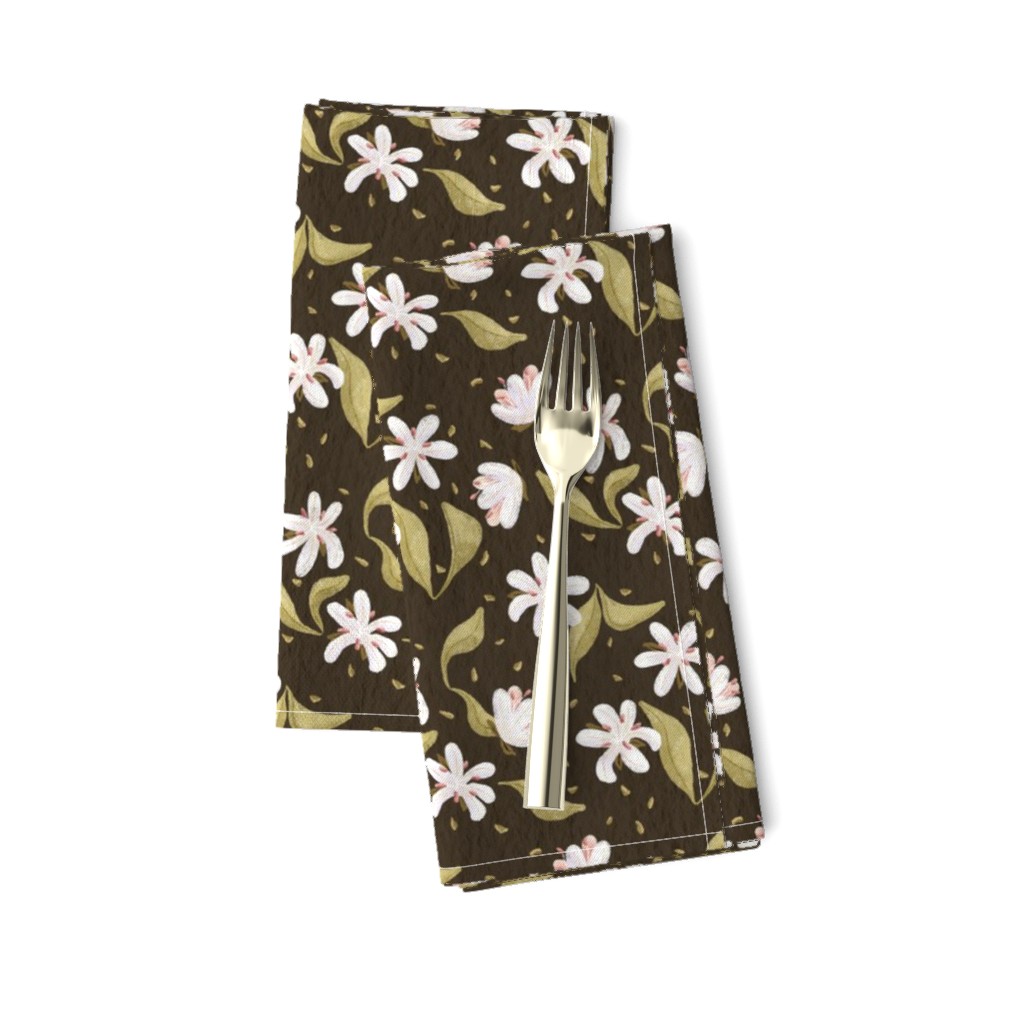
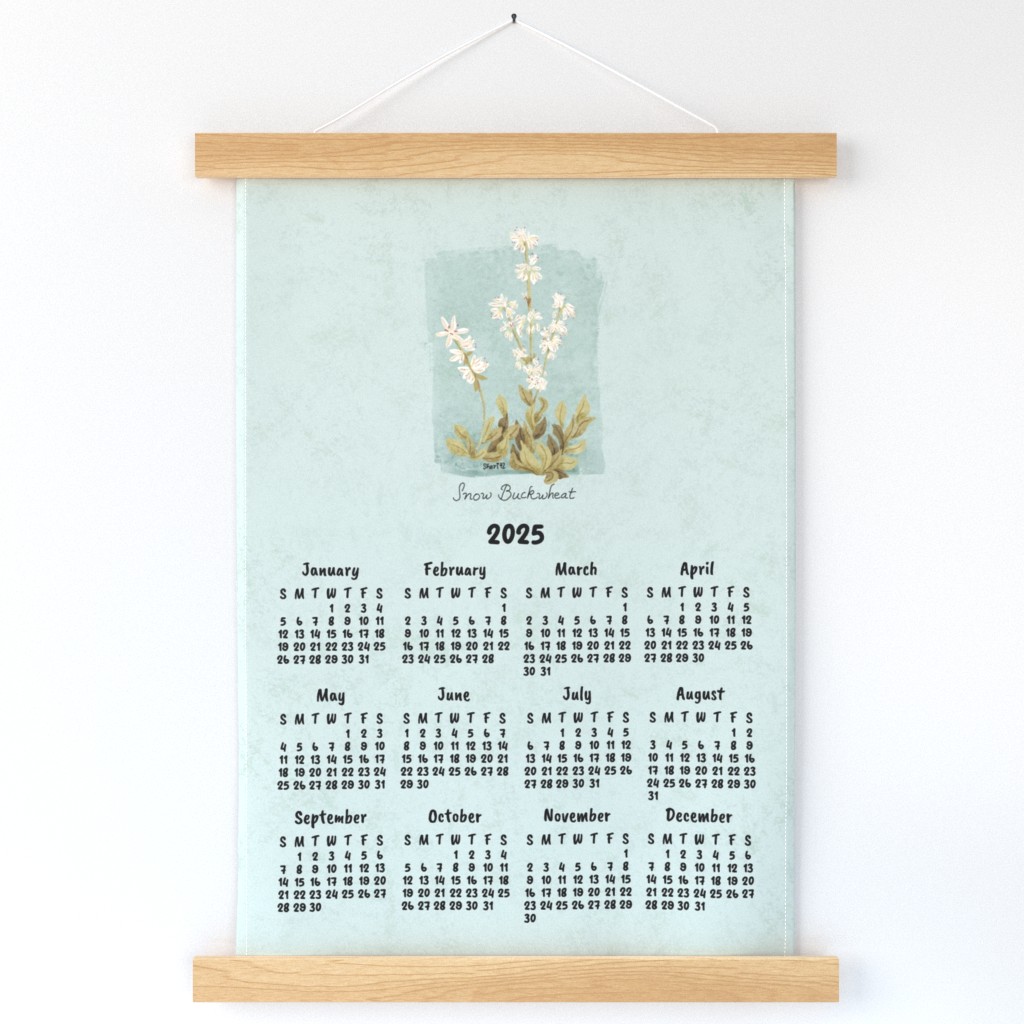
The shrub-steppe’s own snow buckwheat dances in the autumn breeze, it’s white flowers form whorls with tepals that turn a bit pink in September while the hairy leaves balance at its base. The delicate tepals scatter with the leaves into a pattern on several background colors: light teal, rose, peach-pink, dusty yellow, and deep autumn brown. Both a striped and a gingham pattern augment all except the autumn brown.
Inspiration
Is that snow?
Up ahead in an open space among the sagebrush and rabbitbrush we saw what looked like a clump of snow. Of course in this 90° F heat, it was not. It was the delicate flowering of snow buckwheat, Eriogonum niveum.

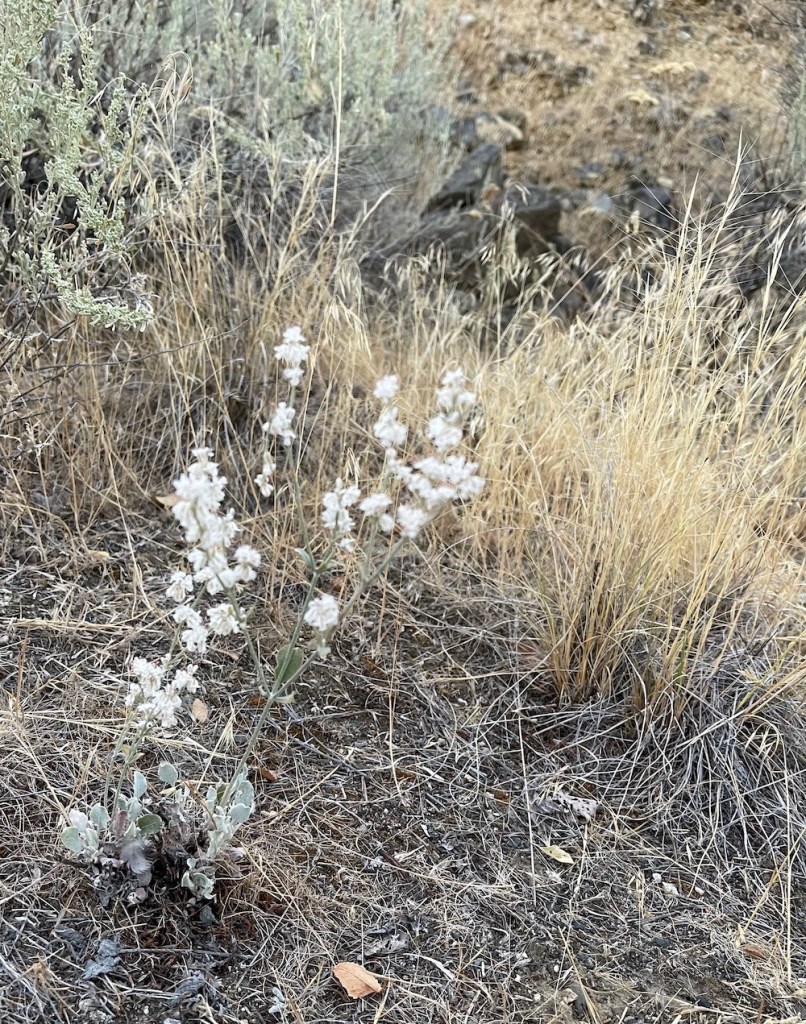
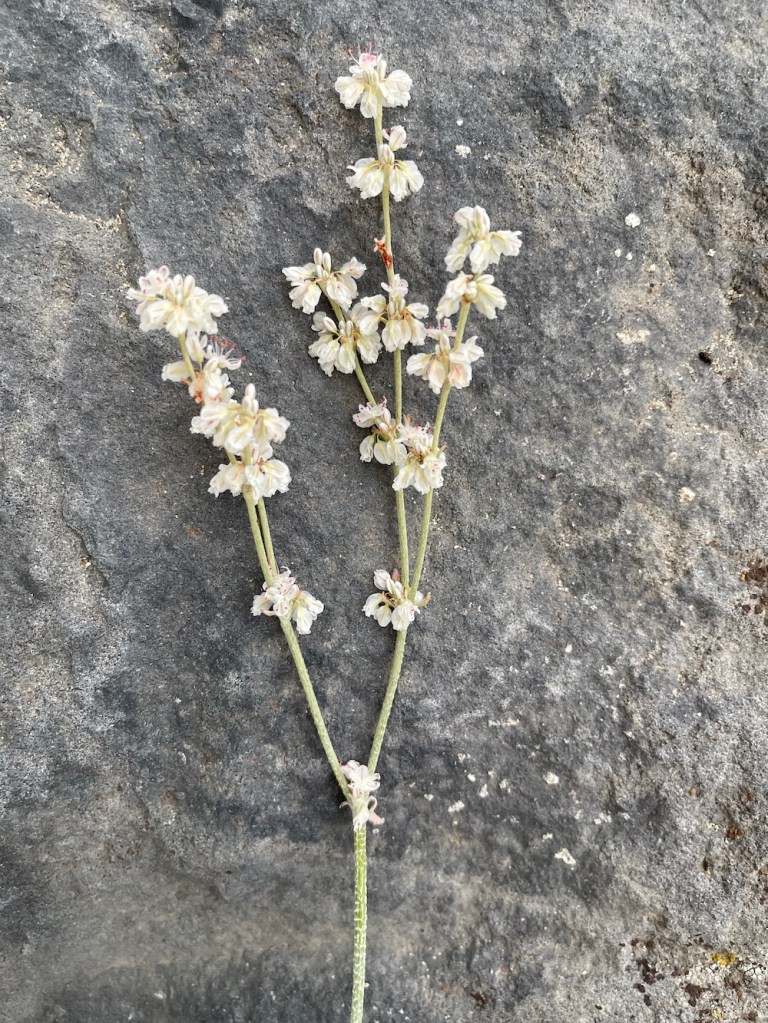
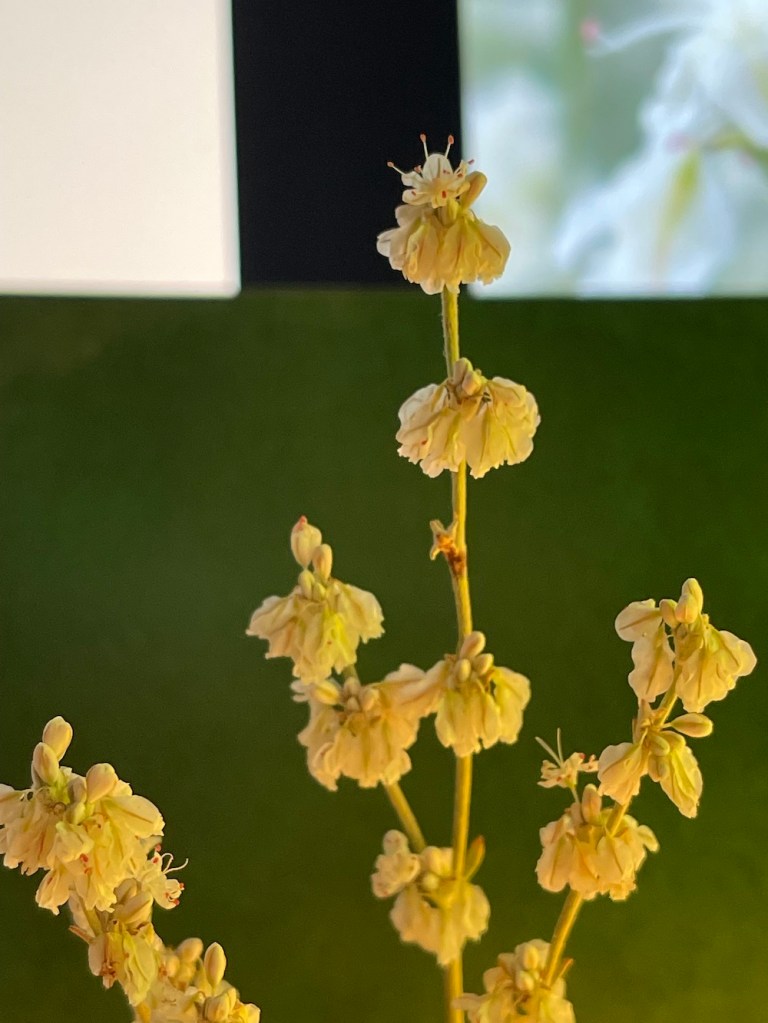

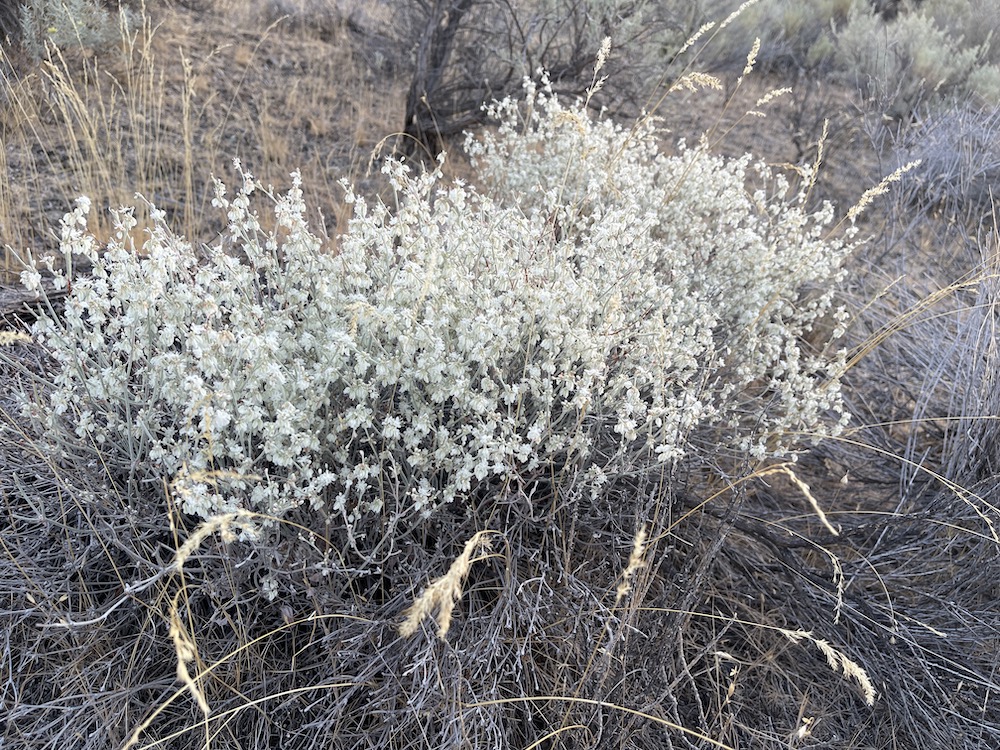
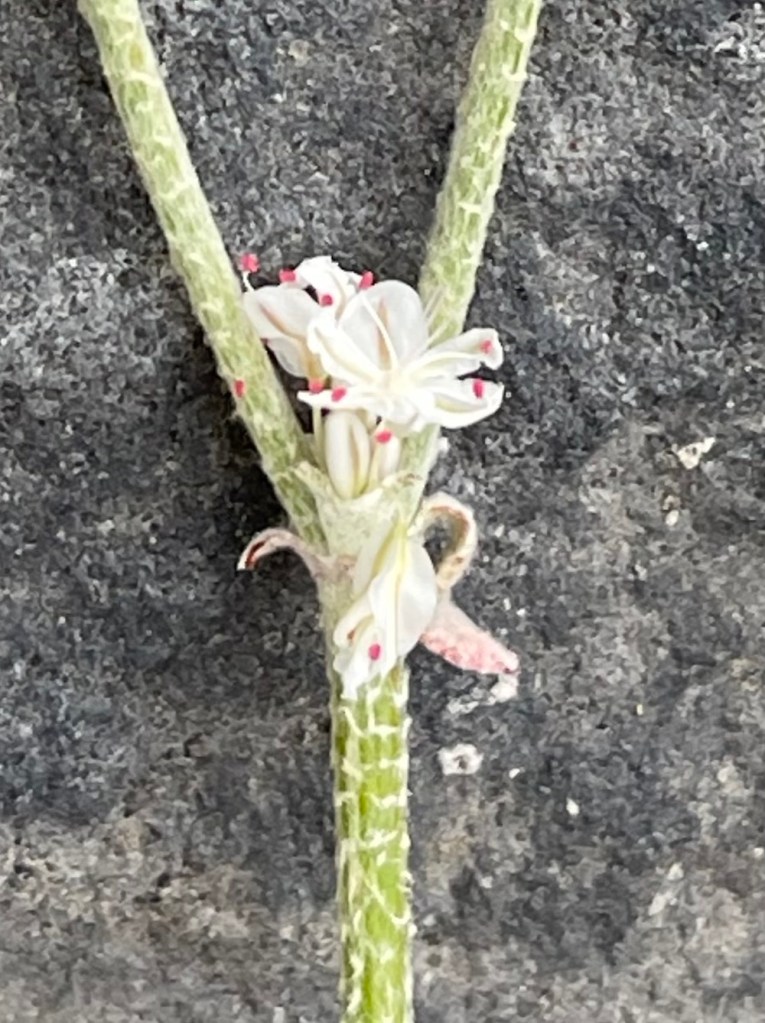
Snow Buckwheat blooms from June to September, and by September they have often formed a clump over one foot tall and wide, looking like a pile of snow in the sagebrush desert. In late fall, the white flowers turn a bit pink. It grows east of the Cascades in sagebrush desert and openings of Ponderosa Pine forests.
Mule deer and big horn sheep feed on this, especially in winter. It provides cover for small animals and birds. Many pollinators, including bees and butterflies depend on it, especially the endangered Mormon Metalmark butterfly (Apodemia mormo). It’s an important plant in the shrub-steppe of eastern Washington.
The over 1/2 inch oblong leaves narrow to a point and cover the clump’s base. Woolly on both sides, the leaves appear a pale green to me.
The stems branch out with whorls of flowers of six tepals. This species has leafy bracts below the flowers. As you can see, the tepals are so very tiny.
Okanagan-Colville Native Americans used the plant for colds and for washing cuts.
Some Native American children played a game with the small branches. The broke off a branch, then the main stem to leave a hook shape. Putting the hook shapes together, they pulled. The child whose stem did not break was the winner.
Since it’s such a dominant wildflower in our area, I decided to prepare a collection of illustrations and patterns to honor its importance.
The Snow Buckwheat Collection

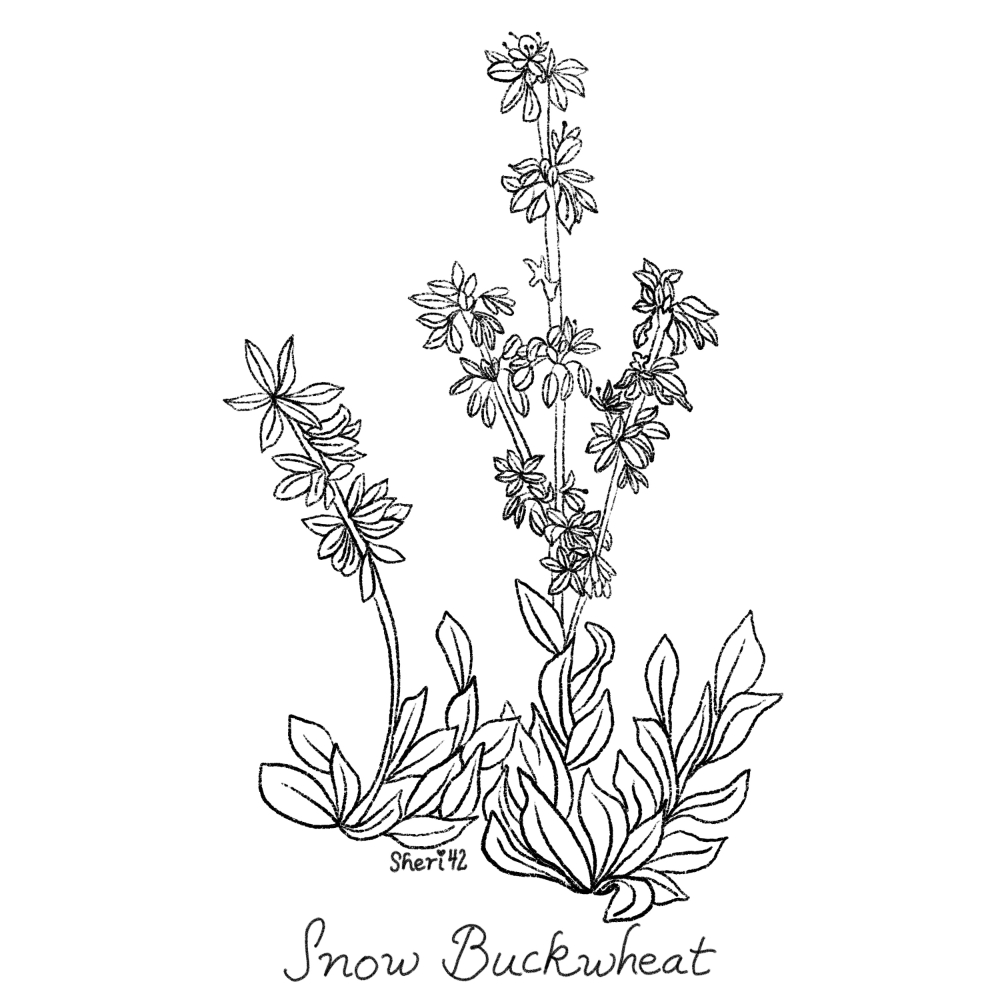
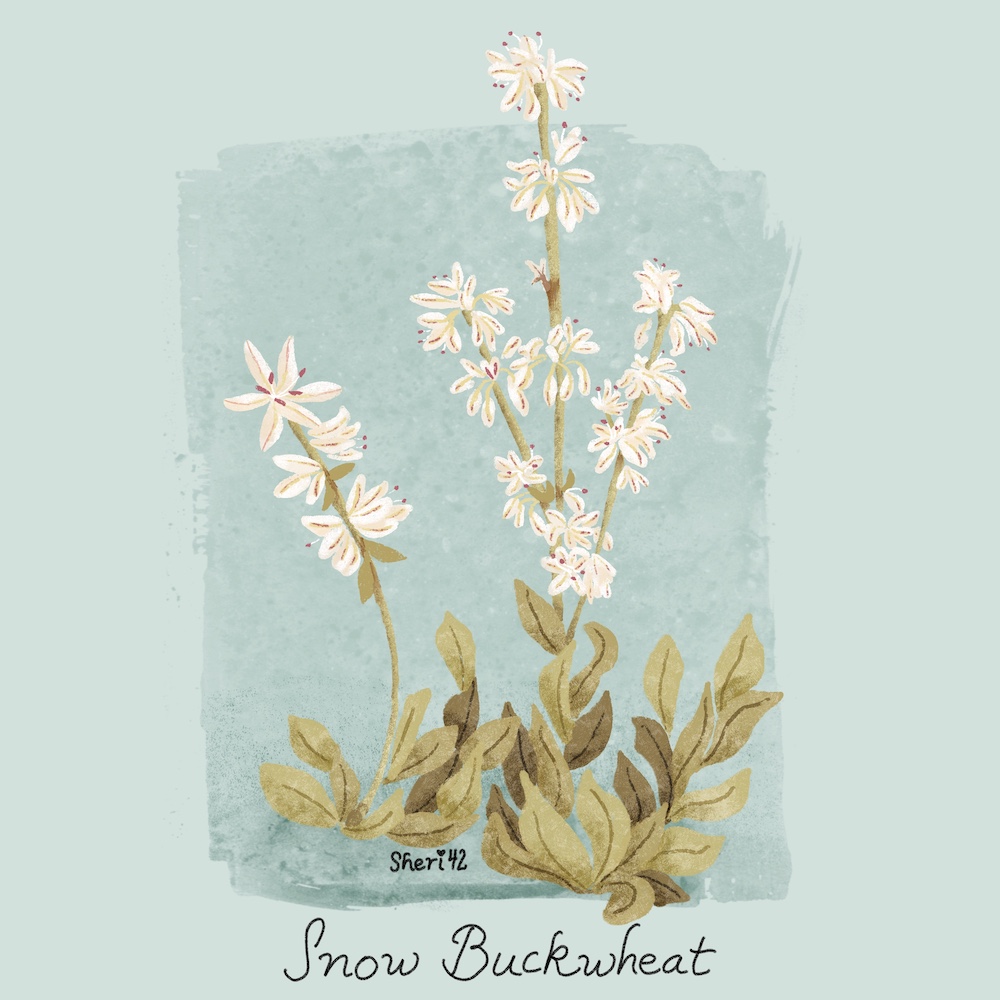
First sketch a composite from the photos, then choose a limited palette of the snow buckwheat’s colors, and paint the watercolor illustration, all in Procreate. Next, take the parts and create a repeating pattern: flowers, leaves, seeds.
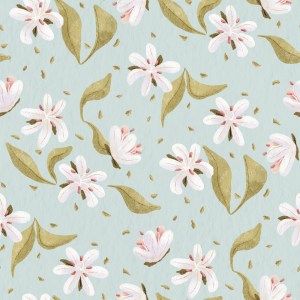
To enhance the collection, I created several color versions of the hero, or main, pattern: teal, rose, peach-pink, yellow, and brown. Blender patterns round out the collection using gingham and textured stripes.
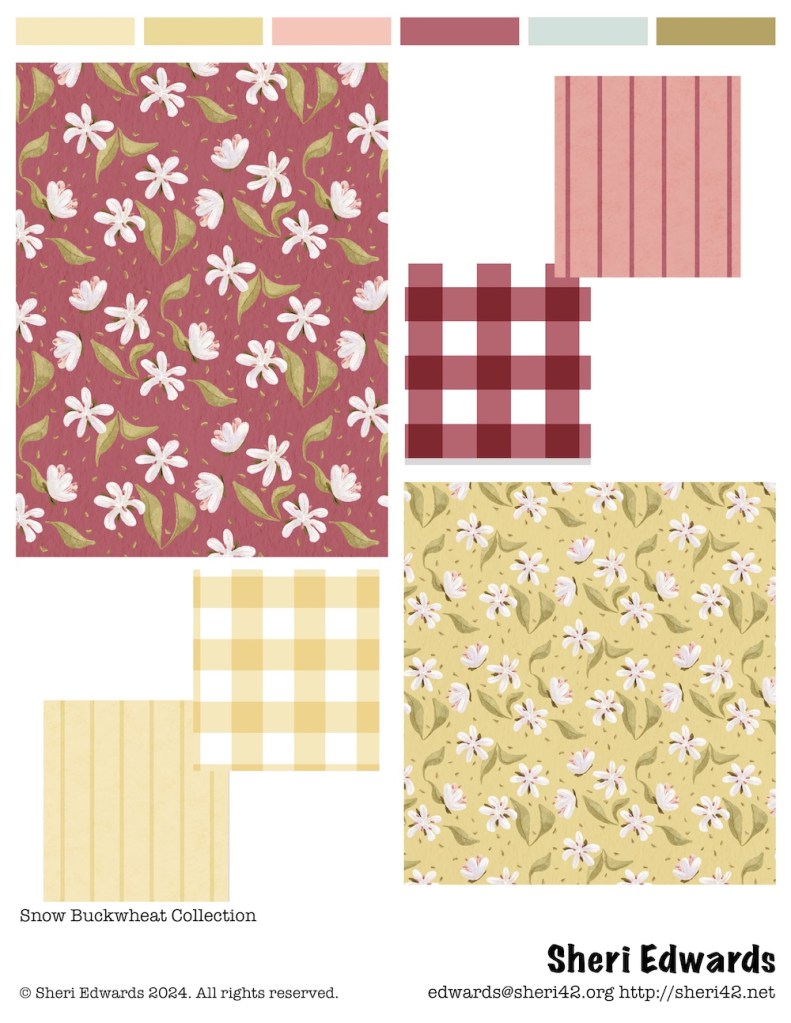
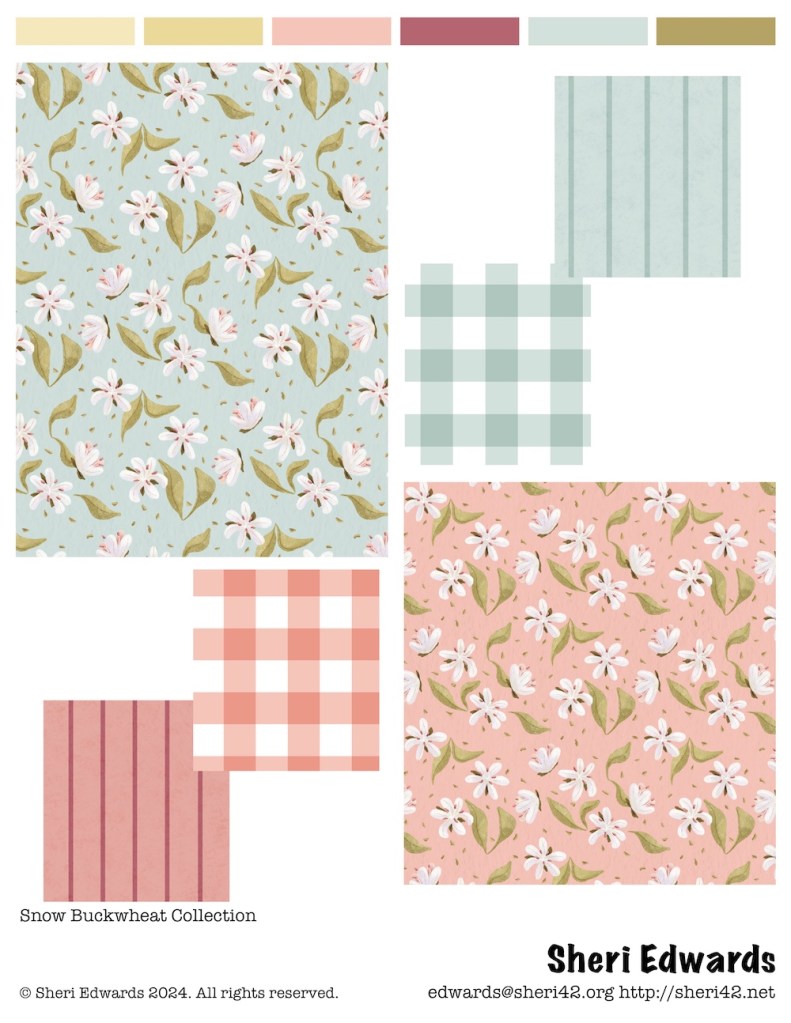
To see how the designs blend together, view the various products on Spoonflower — in the Coulee Country Collection. For a look at the Snow Buckwheat collection only, click here. Here are a few ideas. Click the image to view.



Coulee Country: Snow Buckwheat
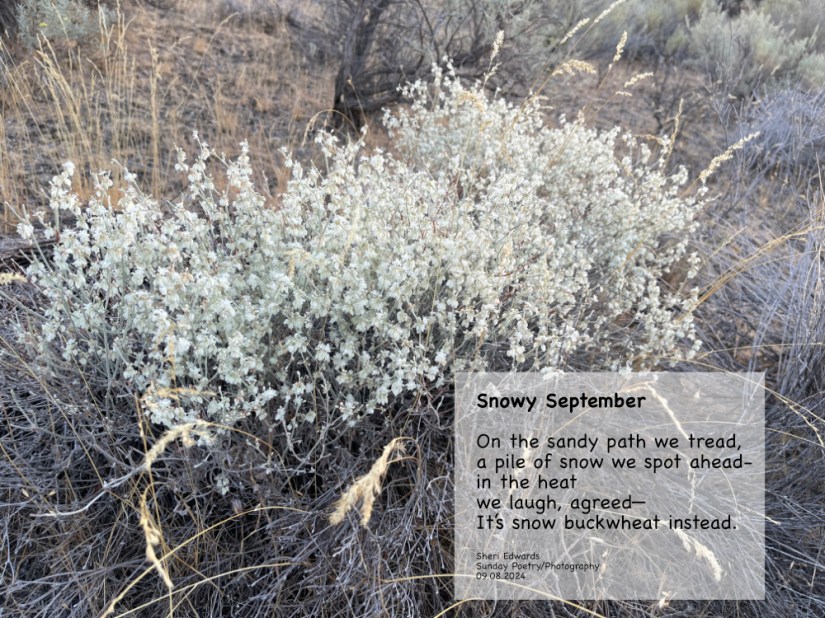
Snowy September
On the sandy path we tread,
Sheri Edwards
a pile of snow we spot ahead-
in the heat
we laugh, agreed—
It’s snow buckwheat instead.
Sunday Poetry/Photography
09.08.2024
Snow Buckwheat of Eastern Washington: Eriogonum niveum
Enjoy the snow buckwheat,
on the path or in your home decor!
Sources:
Photos: by Sheri Edwards
Poetry: by Sheri Edwards
- Burke Herbarium
- Turner, Nancy J., R. Bouchard and Dorothy I.D. Kennedy, 1980, Ethnobotany of the Okanagan-Colville Indians of British Columbia and Washington, Victoria. British Columbia Provincial Museum, page 112
- USDA Plant Guide [pdf]


