
Chintz Revival
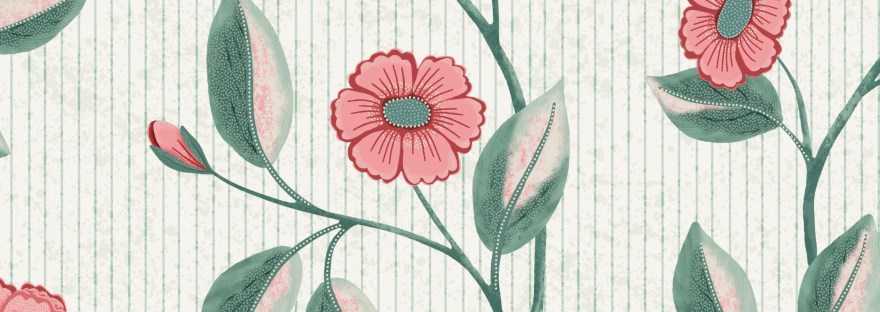
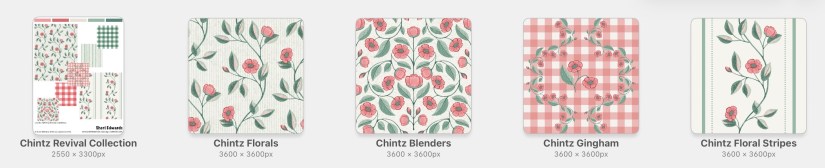
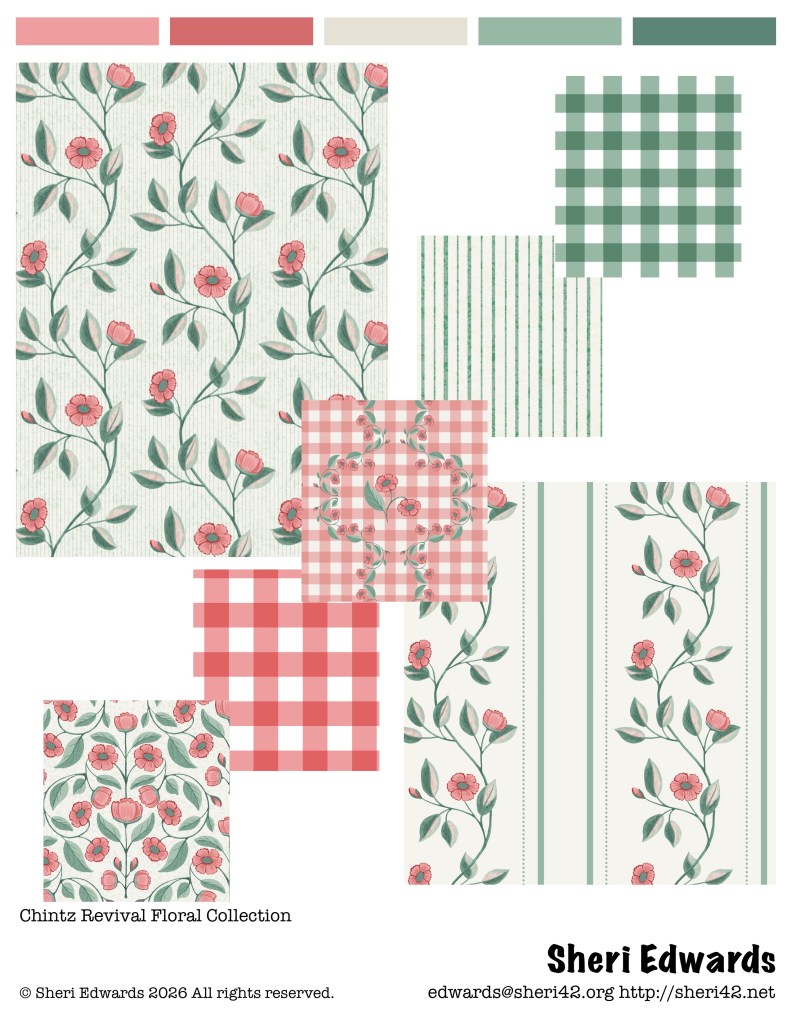
Yesterday I wrote that I had spent the day immersed in researching and designing a collection for the Chintz Revival design challenge. My designs are a simple version of chintz in trailing vine, symmetrical, and striped designs with gingham and plain stripes as blenders. I love the palette. I’m not even sure which one I will enter yet because I’m still working on the main design to “chintz” it up.
The designs above are my second version after a quick practice one to get in the chintz mood; it was one of the more detailed, unrealistic type of flower, and I didn’t like its look.
The pattern I want to use is the trailing vine pattern, second from left above. The thing I’m wondering about is one of the suggestions in the challenge: “Please show us your finest reimagined chintz, featuring abundant blooms, graceful movement, and layered detail.” I have the graceful movement, but lack abundant blooms and that layered detail that is chintz.
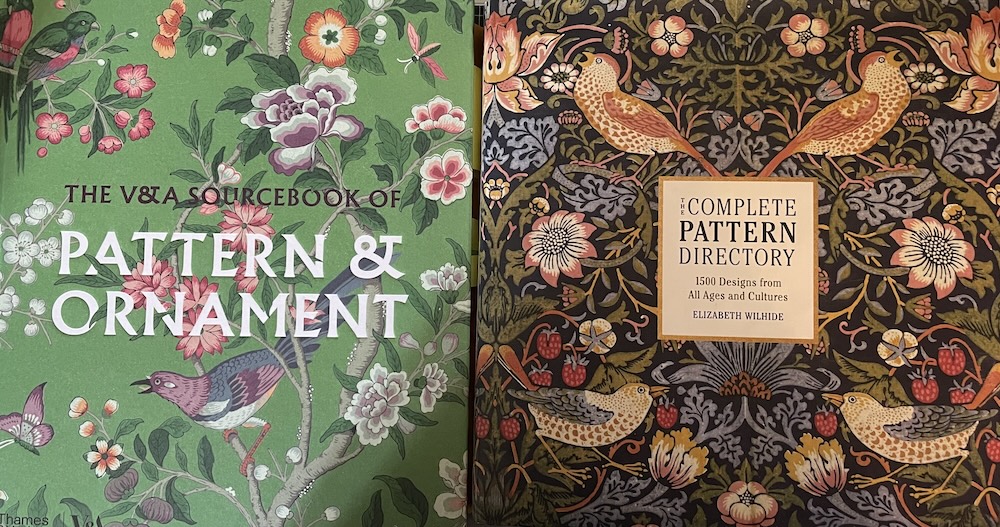
So it’s back to the research. One of the places I’m perusing today is Bärbel Dressler | Surface Pattern Design Inspired By History Pinterest board. I’ll look through those for possible details to layer and possible ideas for more bloom motifs. The books I researched yesterday and will review again today are these:
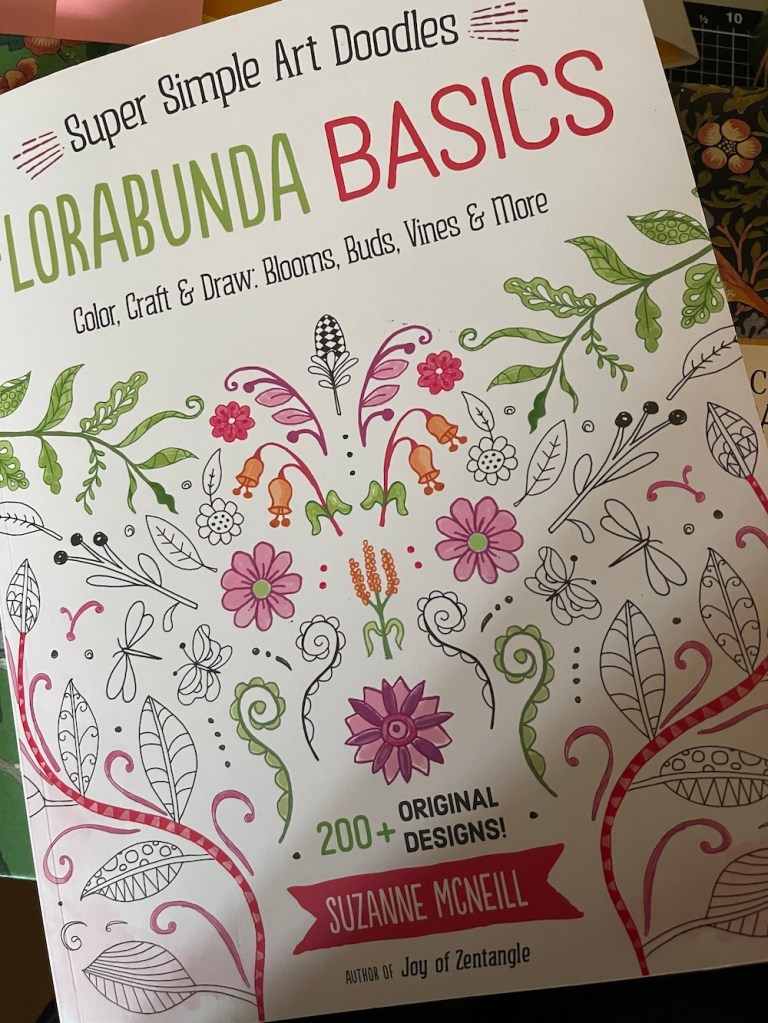
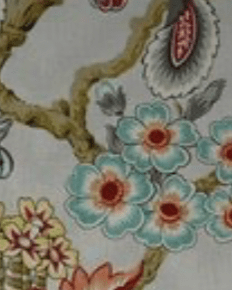
I really like this chintz style. I have a tin set in chintz style from my mom who loved that style too. I promised a picture — so here are two, one close up to see the details and coloring:
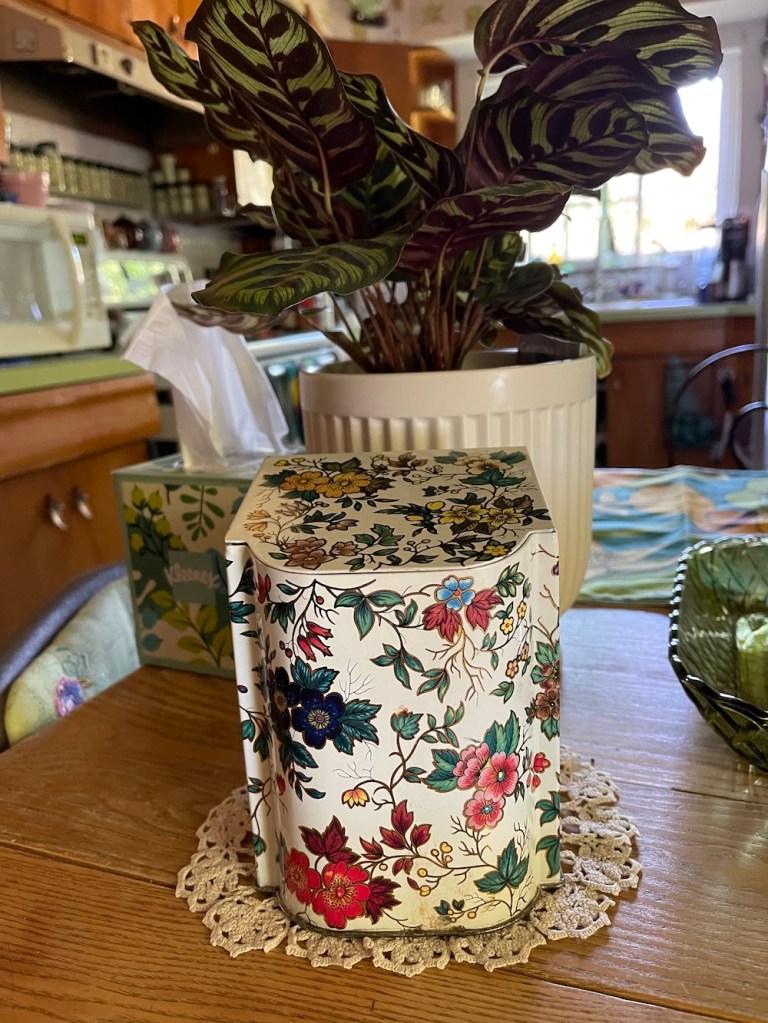
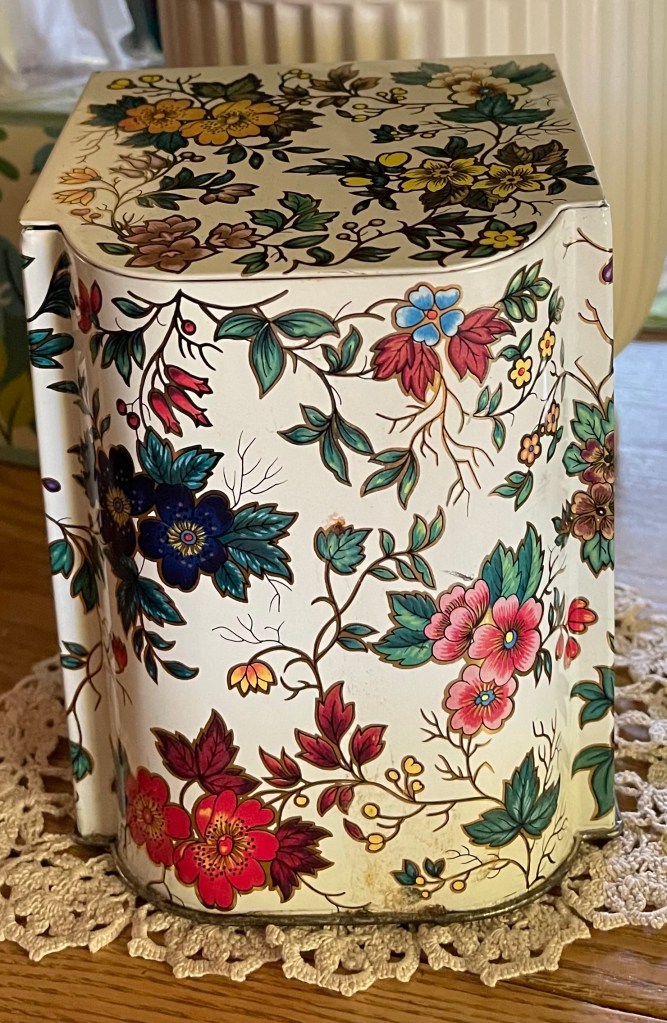
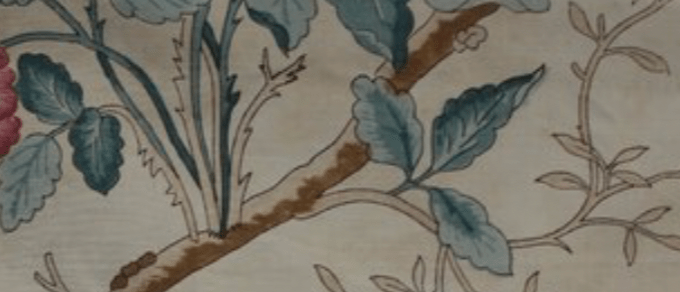
If you look closely at the flowers, you’ll see the style of Chintz I’m favoring. Look at the leaves and notice the coloring on the leaves and within them.
Leaves
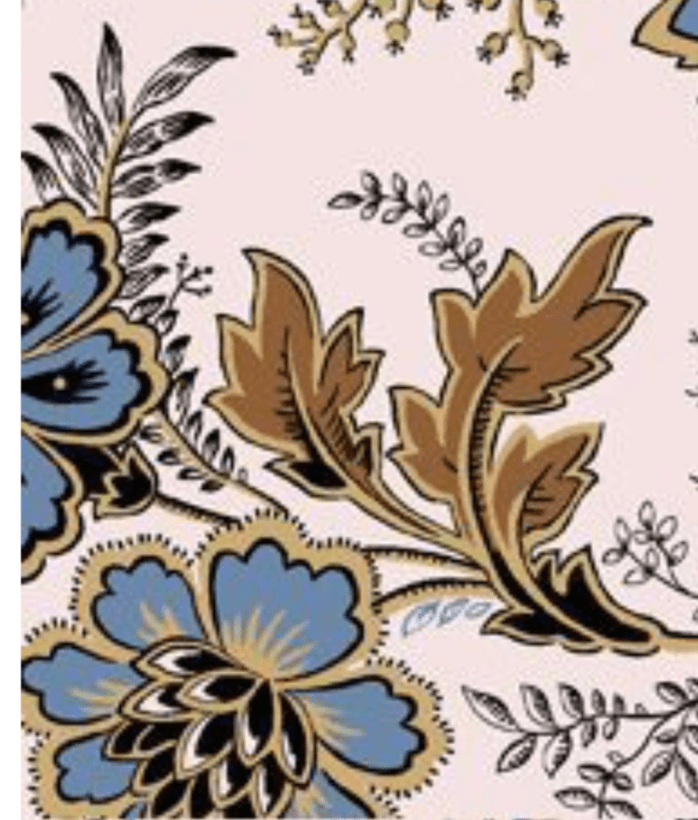
I studied more leaves; here are screens of what I was considering. Click one to view them all as a slide set.
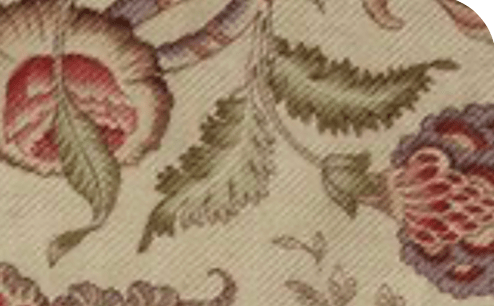
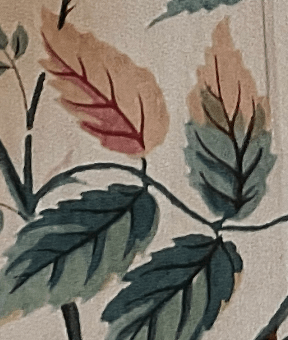
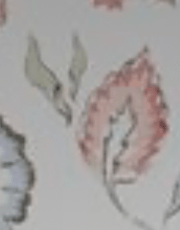
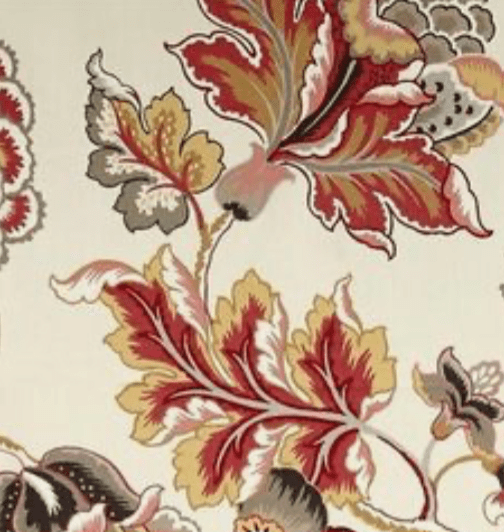
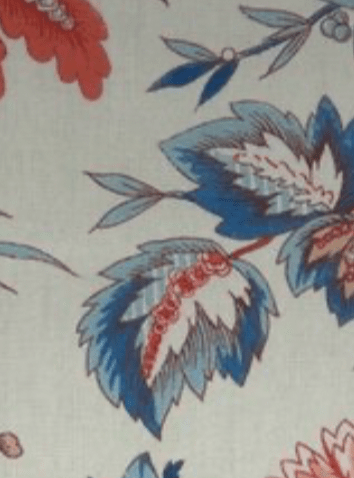
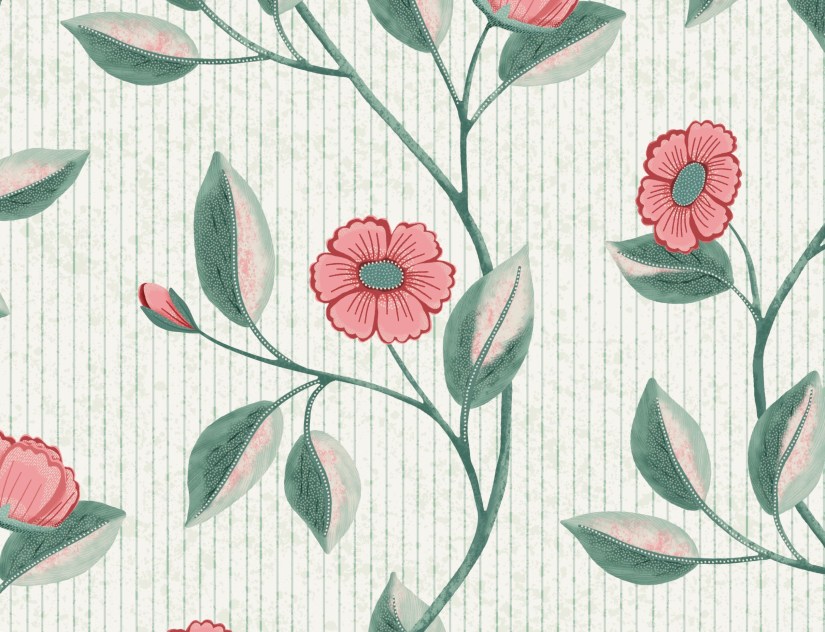
Here’s a close up of my pattern; you can see how I adapted the leaf examples into my own style. I have a few veins in the leaves, barely there. I could create them with dots to continue the detail.
Flowers
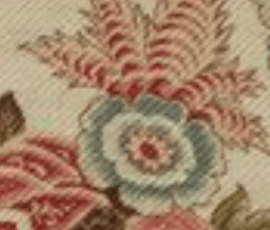
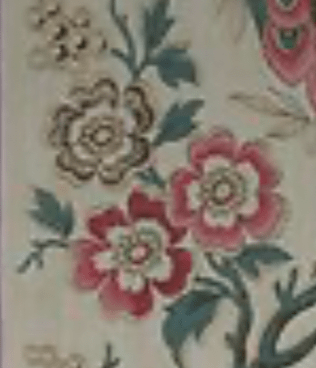
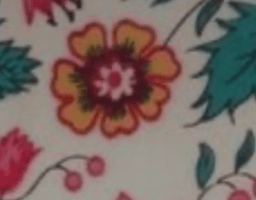
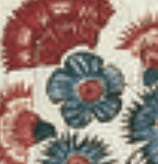
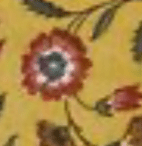
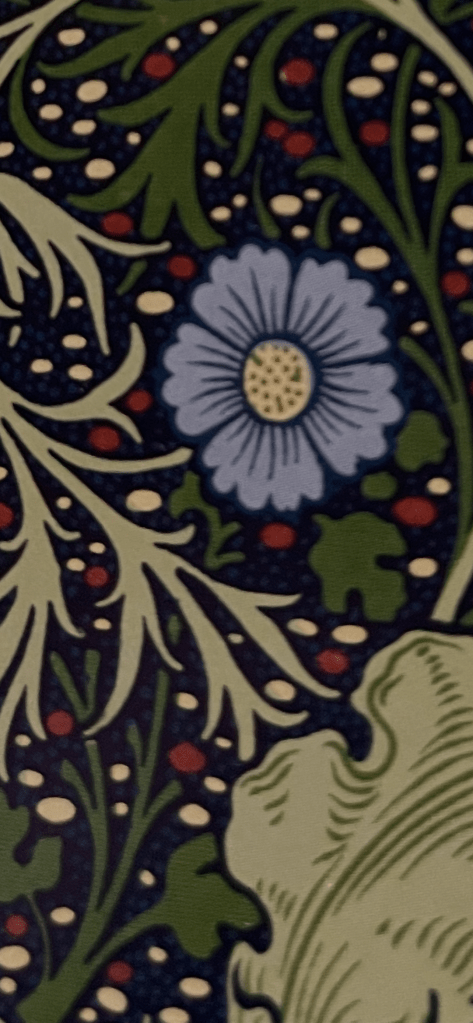
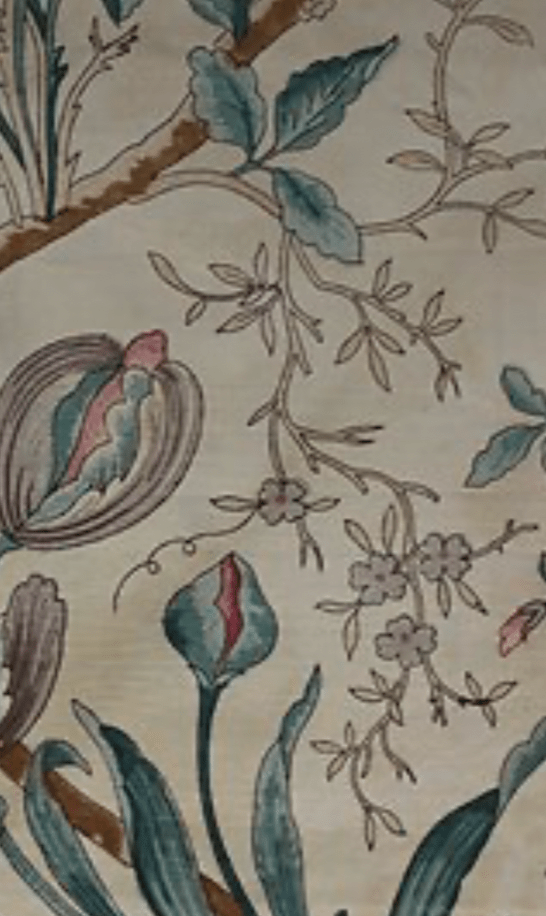
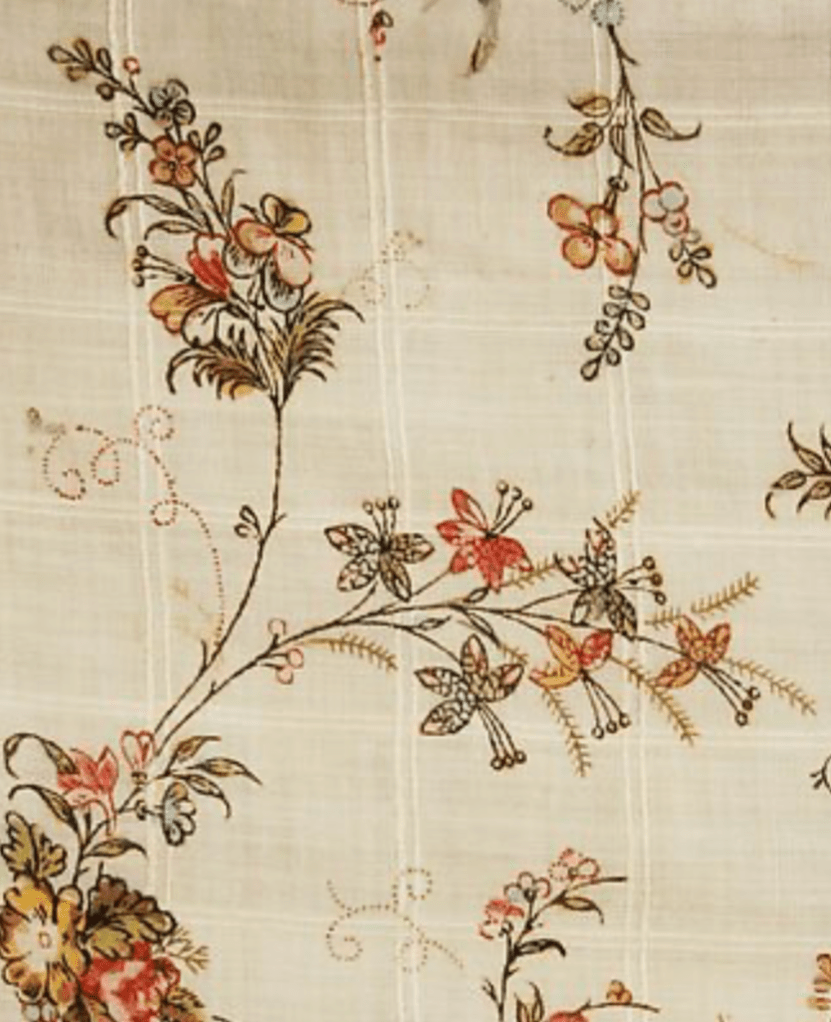
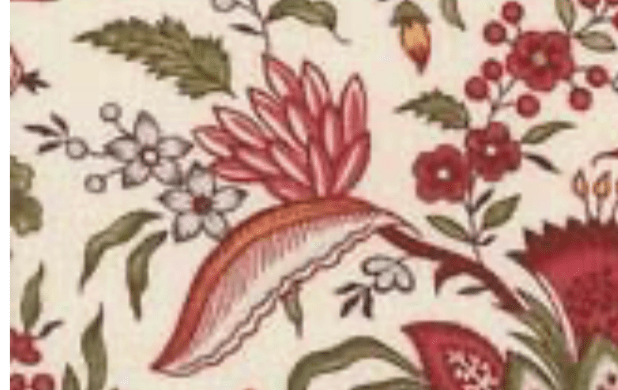
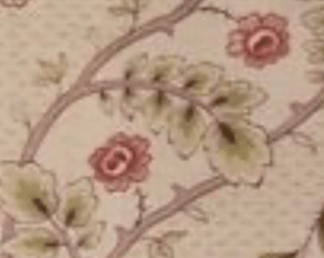
Now let’s look at the flowers in the tin and my flowers. You can see shading in the center and the petal veins. Below are more examples from screenshots. You’ll see in several of them the petal lines and a layering of colors in the petals. I included those ideas in my own florals. I also kept the dotted lines around the center to repeat the dotted lines from the leaves’ center veins.
Extras
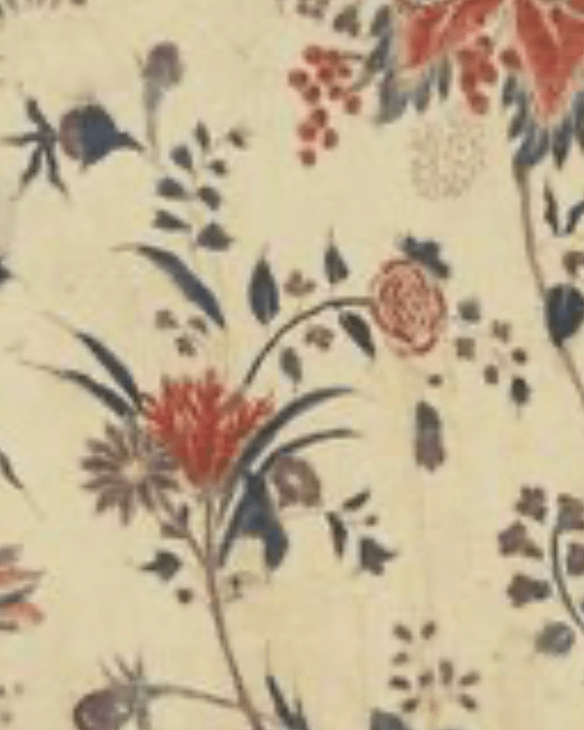
As I studied the florals, motifs, and overall designs, I discovered that multiple kinds of flowers just flow out together. Some branches and flowers are just faded outlines along with the colored ones.. Flowers have stamens exaggerated. Extra swirls and dotted lines are extended from the vines. The stems have sprouts and small leaves. You can see these also in the chintz tin photo above.
I could add any of these to create that expected “abundance” and “layered detail” into my already graceful lines.
To text some of these ideas, I will duplicate the canvas of my trailing vine pattern. I can then delete the pattern creation layers and retain the layers of my “assets,” my motifs, like the vine, leaves, florals. I can add to these and then redo the pattern.
I’m going to keep my original pattern in the collection, because I like its simplicity. However, I do want to try “chintzing” up those motifs for the challenge.
Questions?
This is my process for such historical type of patterns. If it’s a challenge, I consider the expectations given. I look for ideas/motifs I like and then modify and adapt them into my own style, creating assets in a file so they can be manipulated in different types of patterns.
Oftentimes it takes several versions and even different structure [like trailing vine, diamond, symmetry, scallop, etc.] until l find one that fits with how I want my motifs to flow.
The palette I chose is I one I saved from the previous and free Adobe color site, which has been integrated now with Adobe Express in a much more limited way. Luckily I can still find my libraries of palettes I’ve created over the years.
Creating patterns sometimes comes easy with inspiration and your style and form that you like, and sometimes it takes time and research. But it’s all fun and part of the artistic process.
If you have any questions, just ask. Thank you!

 I wonder, if I draw a line...
Hello Sheri, It is very interesting to follow your work in progress I love the foliage so far. I can’t wait to see what’s next! This V&A book is on my wish list. It must be something! The Doodle book seems interesting, and I did not know it, thank you ! Happy creation!
LikeLiked by 1 person
Hi Camille, Thank you.
And that V&A book, from the Victoria and Albert Museum, is fantastic. It’s organized into four sections to easily find inspiration: plants, animals, earth & universe, abstract. It has a great index system too.
There are several “doodle” books by the same author– great for inspiration.
We’ll see how chintz the design grows… 🙂
LikeLike